
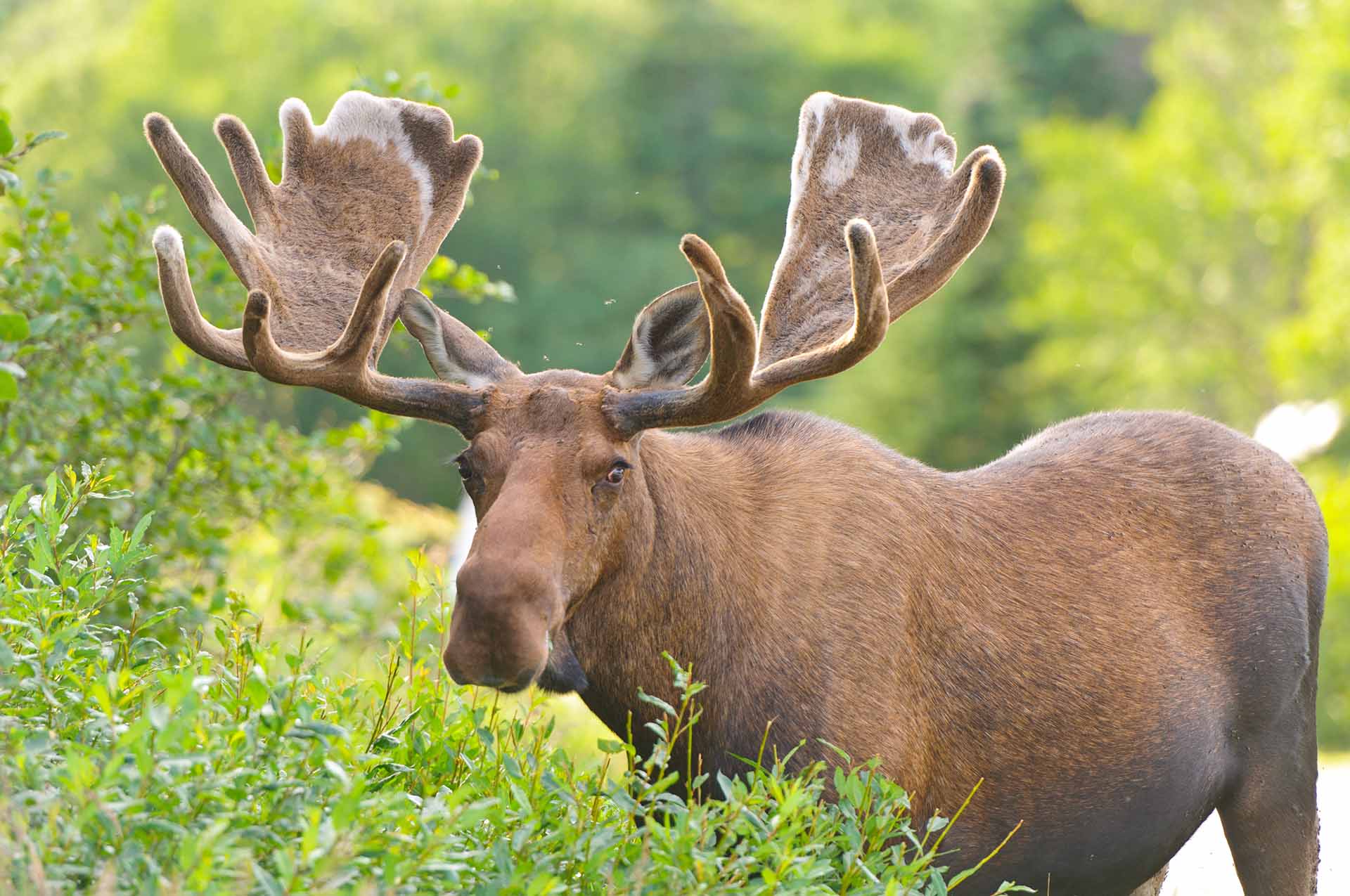
Canada is home to some of the most spectacular wildlife on the planet – moose, deer, bears, elk, coyotes, and countless smaller animals that live alongside (and often across) our roadways.
While these encounters can be breathtaking, they also pose serious risks for drivers.
Each year, wildlife-vehicle collisions result in tens of thousands of insurance claims, millions of dollars in damage, and, in the most severe cases, life-threatening injuries.
Whether you live in a rural community, enjoy backcountry travel, commute through wooded areas, or take road trips across the country, understanding how to prevent wildlife collisions is essential.
This guide walks through practical steps Canadian drivers can take to reduce risk, protect their vehicles, and stay safe on the road.
Why Wildlife Collisions Are So Common In Canada
Wildlife encounters are especially frequent in:
- Rural and northern regions
- Forested corridors
- Highways near lakes, rivers, or marshland
- Mountain roads
- Farming areas (particularly in the Prairie provinces)
Several factors increase collision risk:
Dawn and Dusk Movement
Many large mammals – including deer, moose, and elk – are most active during early morning and late evening.
Seasonal Migration
Spring brings animals out of winter shelters; fall triggers migration and rutting (mating) seasons.
Food Sources Near Roads
Salt runoff, roadside vegetation, and agricultural crops can draw wildlife toward highways.
Harsh Winters
Snowpack forces wildlife to walk along plowed roadways, where travel is easier.
Understanding why animals are near the road helps drivers stay alert during the riskiest conditions.
Know Your Regional Wildlife Risks
Different parts of Canada face unique wildlife hazards. Recognizing the species common in your area helps you anticipate their behaviour.
Western Canada (BC, Alberta)
- Moose
- Elk
- Black bears and grizzlies
- Deer
- Coyotes
Mountain highways and forest access roads see frequent activity.
Prairie Provinces (Saskatchewan, Manitoba)
- Deer (especially white-tailed)
- Coyotes
- Moose in northern regions
Flat landscapes can create surprisingly sudden encounters because animals blend into grassy terrain.
Northern Territories
- Moose
- Bison
- Caribou
- Wolves
- Bears
Long stretches of road with little traffic increase collision risk because wildlife roam freely.
Central & Atlantic Canada (Ontario, Quebec, Maritimes)
- Deer (very common)
- Moose (especially in Newfoundland and northern Ontario/Quebec)
- Black bears
Forested highways and cottage-country routes are major hotspots.
High-Risk Situations: When Drivers Need to Be Extra Alert
Twilight Hours
From 5–7 a.m. and 6–11 p.m., visibility is low but wildlife activity is high.
Seasonal Hotspots
- May–June: Animals are active after winter and young wildlife is learning to navigate
- September–November: Deer rutting season increases collisions
- Winter: Snow forces animals onto plowed roadways
Areas with “Wildlife Crossing” Signs
These signs aren’t decorative; they mark verified collision zones where encounters are statistically high.
Roads Near Water, Crops, or Forest Edges
Animals often travel along natural corridors that cross roads.
Vehicle Preparation: How To Protect Your Car Before You Hit The Road
While no car can be made 100% wildlife-proof, you can reduce risk and damage by preparing your vehicle properly.
– Check Your Headlights for Maximum Visibility
- Ensure both headlights work
- Clean foggy lenses
- Use high beams when safe
Being able to spot wildlife sooner gives you more time to brake and steer safely.
– Consider Aftermarket Safety Add-Ons
Depending on how rural your driving is, some drivers invest in:
- Grille guards/bull bars
- Bumper protection kits
- Wildlife whistle devices (effectiveness varies but some drivers prefer them)
- LED fog lights for better shoulder visibility
These aren’t mandatory, but they can reduce damage if a collision occurs.
– Keep Your Brakes and Tires in Top Condition
Stopping distance is critical. Fresh tires and well-maintained brakes can prevent a collision that would otherwise be unavoidable.
Defensive Driving Tips To Reduce Wildlife Collision Risk
Scan the Road Ahead, Including the Shoulders
Look for:
- Shining eyes reflecting your headlights
- Movement in ditches or bushes
- Dark shapes at the road edge
If one animal appears, expect more, especially deer, which travel in groups.
Reduce Speed in High-Risk Zones
Even dropping your speed by 10–20 km/h:
- Shortens stopping distance
- Gives you more reaction time
- Reduces impact severity
On rural highways, speed is the biggest factor in collision severity.
Avoid Swerving
This is one of the most dangerous instinctive reactions.
Swerving can lead to:
- Losing control
- Hitting oncoming traffic
- Rolling the vehicle
- Hitting a larger animal anyway
If an impact is unavoidable:
- Brake firmly
- Keep the steering wheel straight
- Hold your lane
Collisions with moose are incredibly dangerous, but swerving often leads to worse outcomes.
Use High Beams Whenever Possible
High beams can reveal wildlife 100–200 metres ahead. Just remember to dim them for oncoming vehicles.
Follow the “Slow, Look, and Listen” Rule for Backroad Driving
On gravel roads and forest service routes:
- Drive below the posted speed
- Use your horn briefly at blind corners
- Stay centred in your lane
Wildlife can appear with very little warning on these roads.
What To Do If You Encounter Wildlife On The Road
If the animal is FAR ahead:
- Slow down gradually
- Flash your high beams
- Honk gently
If the animal is NEAR the road:
- Slow to a crawl
- Be prepared to stop fully
- Expect sudden movement or more animals nearby
If the animal is ON the road:
- Stop if it’s safe to do so and give it space
- Do NOT drive aggressively toward it
- Moose and bison can become defensive
Never approach or attempt to move wildlife yourself.
If A Collision Is Unavoidable
Sometimes even the safest drivers can’t avoid a crash – especially with fast-moving deer or unpredictable moose.
What to do:
- Brake firmly and stay straight
- Hold the steering wheel with both hands
- Avoid swerving into the opposite lane or shoulder
- After impact, pull over safely
Then:
- Turn on hazard lights
- Check for injuries
- Call for help if the animal is blocking the road
- Document damage for insurance
- Avoid approaching injured wildlife
If you have comprehensive coverage or car replacement insurance, it may help cover repair costs after wildlife damage.
Long-Term Prevention: How To Reduce Encounters Over Time
– Keep Your Windshield Clean
Glare can hide wildlife silhouettes, especially at night.
– Plan Your Drives Around High-Risk Hours
Avoid dusk and dawn travel in wildlife-dense regions when possible.
– Stay Updated on Local Wildlife Alerts
Many rural communities and provincial parks share reports during rutting season or migration periods.
– Watch for “Animal Groups” Patterns
Deer rarely travel alone; if you see one, expect two or three more.
– Practice Nighttime Driving Awareness
Night driving requires:
- Slower speeds
- Wider scanning
- Minimal distractions
Staying Safe On Canada’s Wild Roads
Driving in Canada means sharing the road with wildlife, a reality that’s both beautiful and hazardous.
But with proactive vehicle maintenance, smart driving habits, and awareness of high-risk areas, you can significantly reduce the likelihood of a wildlife collision.
Rural, northern, and backcountry drivers face unique challenges, but the right precautions go a long way in keeping both people and animals safe.


