
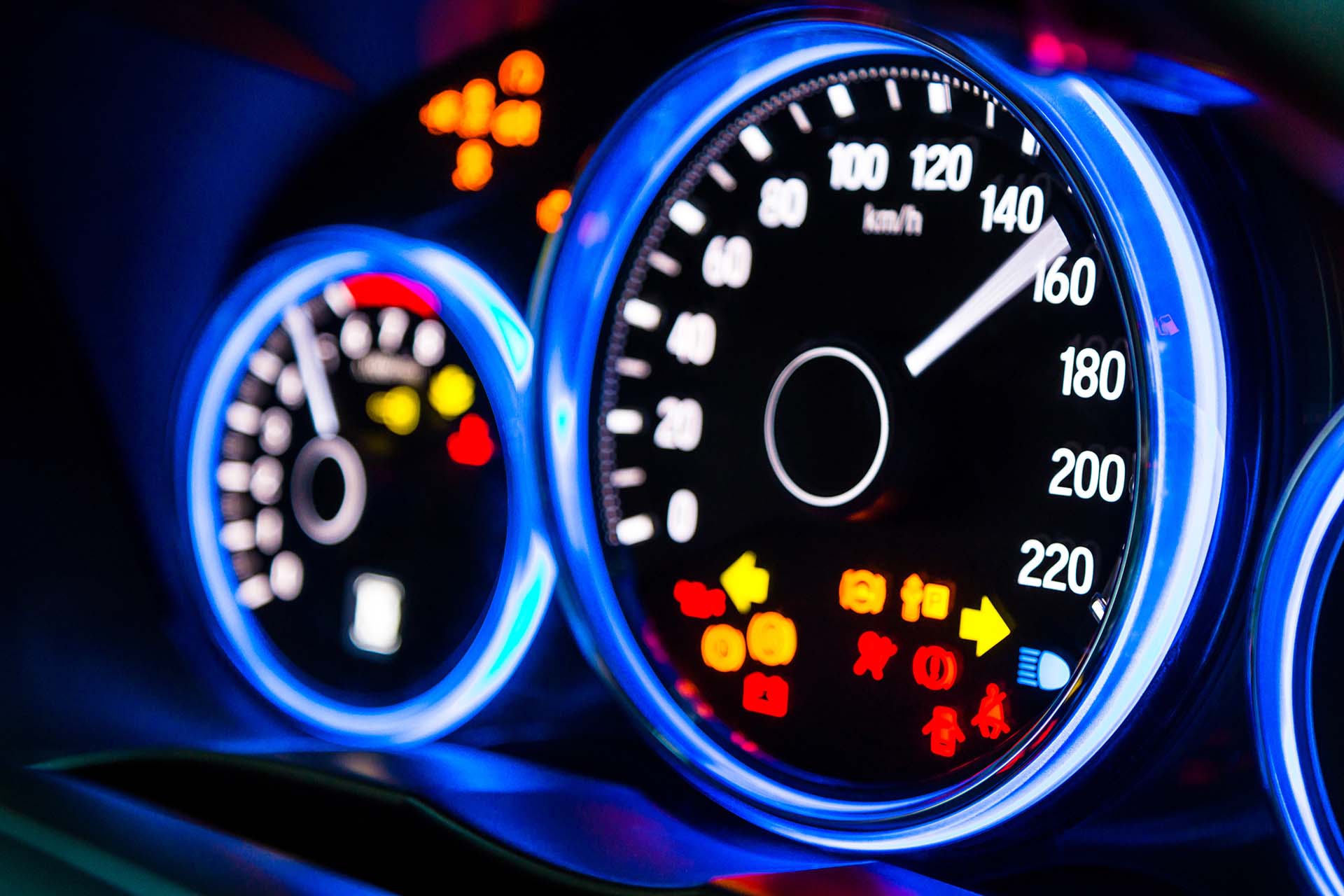
Nothing makes drivers tense up faster than a warning light appearing on the dashboard.
One moment everything seems fine, the next there’s a glowing symbol staring back at you – sometimes orange, sometimes red, and often completely unfamiliar.
Modern vehicles are packed with sensors designed to alert you early when something isn’t right.
The challenge is knowing which lights signal a minor issue and which ones mean you should pull over immediately.
Understanding these warnings can help you avoid unnecessary panic, prevent expensive damage, and stay safe on Canadian roads.
Why Dashboard Warning Lights Exist
Dashboard warning lights are part of your vehicle’s onboard diagnostic system.
They monitor everything from engine performance to braking systems, tire pressure, and electronic safety features.
These alerts are designed to:
- Catch problems early
- Reduce the risk of breakdowns
- Improve safety and emissions performance
Ignoring them doesn’t make the issue go away – it usually makes it worse.
Red Vs. Amber Lights: The First Thing To Know
Not all warning lights are created equal. Colour matters.
Red Warning Lights
Red lights usually indicate a serious issue that requires immediate attention.
Continuing to drive could cause damage or put your safety at risk.
Amber or Yellow Warning Lights
These typically signal a problem that needs attention soon, but not necessarily right away.
You can often drive cautiously for a short time while planning next steps.
As a general rule:
Red means stop or act immediately. Amber means investigate promptly.
Check Engine Light: The Most Misunderstood Warning
The check engine light is one of the most common – and most ignored – dashboard warnings.
It can indicate:
- Loose or faulty fuel cap
- Emissions system issues
- Engine misfires
- Sensor failures
If the light is steady, the issue may not be urgent but should be checked soon.
If the light is flashing, stop driving as soon as it’s safe – flashing often indicates a serious engine problem that could cause damage.
Oil Pressure Warning: Do Not Ignore This One
The oil pressure light is one of the most critical warnings your car can display.
It may indicate:
- Low oil level
- Oil pump failure
- Loss of oil pressure
Driving with low oil pressure can cause severe engine damage in minutes.
What to do:
Pull over safely, turn off the engine, and check the oil level if possible. If the light stays on, do not continue driving.
Battery Warning Light: Not Just About The Battery
The battery light doesn’t necessarily mean the battery itself is failing.
Often, it points to a charging system problem.
Possible causes include:
- Failing alternator
- Loose or damaged belts
- Electrical system issues
If this light comes on while driving, your vehicle may be running solely on battery power – which won’t last long.
Brake System Warning Light: Always Take It Seriously
Brake warnings can signal several issues:
- Low brake fluid
- Worn brake pads
- Parking brake engaged
- ABS system malfunction
Because braking is a critical safety system, any brake-related warning should be investigated immediately.
If braking feels different or the pedal feels soft, stop driving and have the vehicle inspected.
Tire Pressure Monitoring System (TPMS) Light
This warning indicates one or more tires are underinflated.
In Canada, tire pressure often drops during cold weather, triggering the light even if there’s no puncture.
Driving on underinflated tires can:
- Reduce fuel efficiency
- Increase tire wear
- Affect handling and braking
Check pressures when tires are cold and inflate to the manufacturer’s recommended levels.
ABS And Traction Control Lights
These lights relate to systems that help maintain control during braking and slippery conditions.
If illuminated:
- Normal braking usually still works
- Anti-lock or traction features may be disabled
In winter driving conditions, these systems are especially valuable, so addressing issues promptly is important.
Coolant Temperature Warning
This warning means your engine is overheating or coolant levels are low.
Overheating can cause:
- Warped engine components
- Blown head gaskets
- Costly repairs
If the temperature warning appears:
- Turn off the air conditioning
- Pull over as soon as it’s safe
- Shut off the engine and allow it to cool
Never open the coolant reservoir when the engine is hot.
Airbag And Safety System Warnings
Airbag or safety restraint warnings indicate a fault in the system designed to protect occupants in a crash.
If this light is on:
- Airbags may not deploy properly
- Seatbelt pretensioners may not function
This doesn’t affect drivability, but it does affect safety – have it checked as soon as possible.
Why Canadian Driving Conditions Trigger Warning Lights More Often
Canada’s climate can cause warning lights to appear more frequently due to:
- Cold-related battery stress
- Tire pressure fluctuations
- Road salt affecting sensors
- Moisture-related electrical issues
Some warnings may be seasonal, but they still deserve attention.
What Not To Do When A Warning Light Appears
Avoid these common mistakes:
- Ignoring the light because the car “seems fine”
- Covering the warning with tape
- Resetting the light without diagnosing the cause
Warning lights are signals – not suggestions.
When In Doubt, Get It Checked
If you’re unsure what a warning light means:
- Check the owner’s manual
- Contact a trusted service provider
- Have a diagnostic scan performed
Early action often turns a major repair into a minor one.
When Your Dashboard Speaks, Listen
Your dashboard is your vehicle’s way of communicating with you. Every light is a message – some urgent, some informative, all important.
Understanding what those warnings mean helps you drive with confidence instead of fear.
The next time a symbol lights up, you’ll know whether it’s a quick fix, a scheduled check, or a sign to pull over immediately.
Listening early can be the difference between a simple repair and a costly breakdown.