
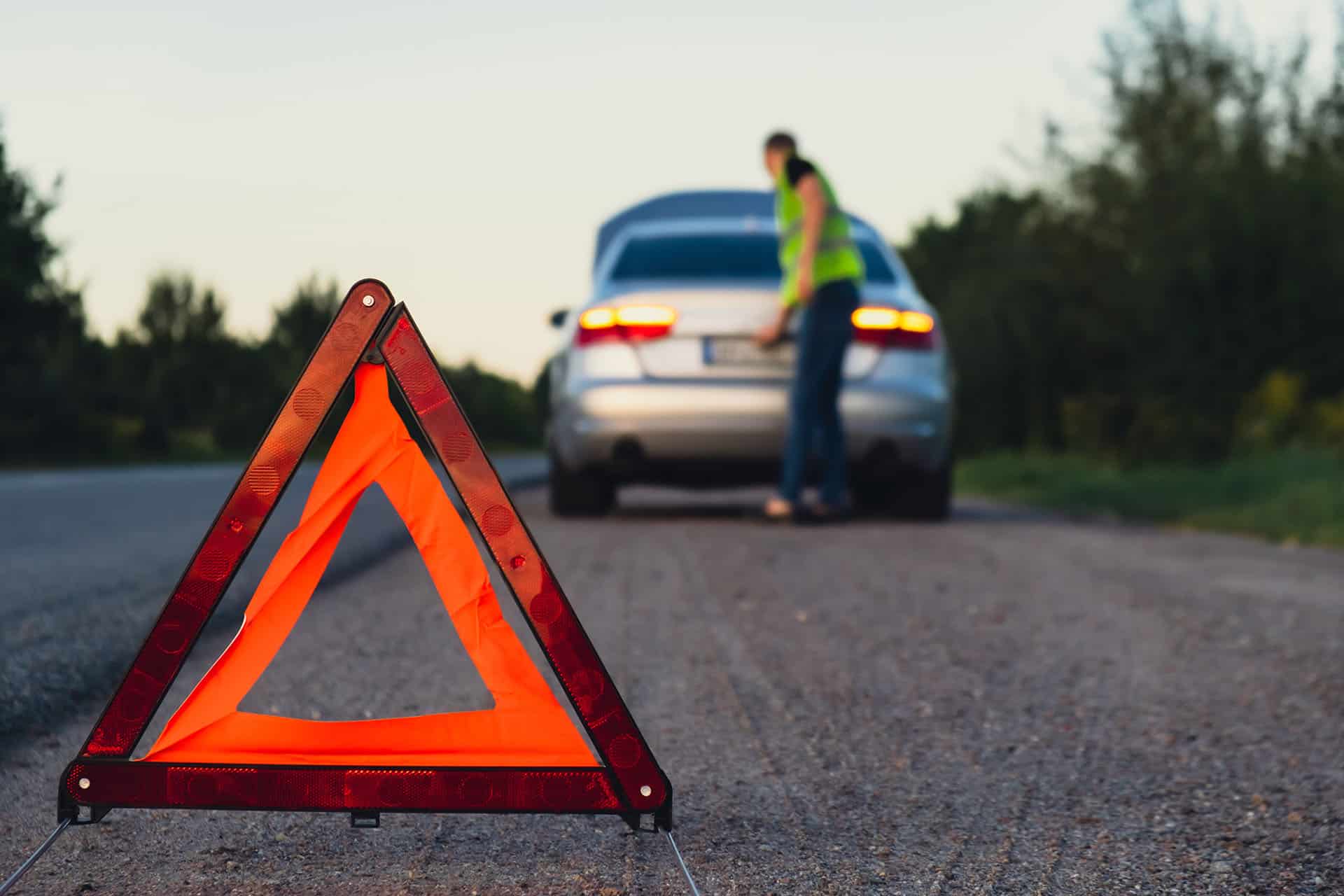
No matter how reliable your vehicle is, unexpected situations can happen on Canadian roads.
Breakdowns, flat tires, dead batteries, sudden weather changes, or road closures can leave drivers stranded far from help – sometimes in extreme conditions.
That’s why having the right roadside emergency kit isn’t just a good idea, it’s an essential part of responsible vehicle ownership.
While many drivers carry a basic kit, not all kits are created equal.
Canada’s wide range of climates means your emergency supplies need to be adaptable for every season.
Here’s how to choose – and maintain – a roadside emergency kit that’s ready for the long haul.
Why Every Canadian Driver Needs An Emergency Kit
Canada’s geography and weather make roadside emergencies uniquely challenging.
Long distances between towns, harsh winters, extreme summer heat, and rapidly changing conditions can turn a minor issue into a serious safety concern.
An emergency kit can help you:
- Stay warm or cool while waiting for assistance
- Improve visibility for passing vehicles
- Perform basic repairs
- Stay hydrated and nourished
- Signal for help
Being prepared isn’t about expecting the worst – it’s about reducing risk and staying safe when the unexpected happens.
The Core Essentials Every Kit Should Include
Regardless of season or location, every roadside emergency kit should start with a solid foundation.
Visibility And Signalling Tools
- Reflective warning triangles or cones
- High-visibility safety vest
- Flashlight with extra batteries or rechargeable option
These items help other drivers see you, especially during poor visibility or nighttime breakdowns.
Basic Tools and Supplies
- Jumper cables or a portable booster pack
- Tire pressure gauge
- Duct tape and zip ties
- Multi-tool or basic wrench set
These tools can help you handle minor issues until help arrives.
First-Aid Supplies
- Bandages and antiseptic wipes
- Pain relievers
- Gloves
- Emergency contact information
A basic first-aid kit is essential for both minor injuries and peace of mind.
Winter-Specific Emergency Kit Additions
Winter driving in Canada demands extra preparation.
Cold temperatures, snow, and ice increase the risk of breakdowns and make waiting for help more dangerous.
Key winter additions include:
- Thermal blankets or sleeping bags
- Extra gloves, hats, and socks
- Ice scraper and snow brush
- Small shovel
- Sand, gravel, or traction mats
- Wind-up or battery-powered flashlight
Non-perishable snacks and water are also important, but be mindful that liquids can freeze.
Insulated containers can help.
Summer Emergency Kit Essentials
Summer may seem less risky, but heat brings its own challenges.
Add these items during warmer months:
- Extra drinking water
- Sunscreen
- Wide-brim hat or sunshade
- Cooling towels
- Non-perishable food that won’t melt
- Portable fan or window shades
Heat exhaustion and dehydration can become serious quickly if you’re stranded in high temperatures.
Rain, Flooding, And Shoulder-Season Preparedness
Spring and fall in Canada often bring heavy rain, fog, and unpredictable conditions.
Helpful items include:
- Waterproof ponchos
- Microfiber towels
- Waterproof flashlight
- Rain-resistant footwear
- Absorbent mats
These items help keep you dry, visible, and comfortable while dealing with roadside issues.
Seasonal Emergency Kit Maintenance
An emergency kit is only effective if it’s in good condition.
At least twice a year:
- Check battery-powered items
- Replace expired food and medications
- Rotate water supplies
- Inspect tools for rust or damage
- Adjust seasonal clothing
A quick inspection before winter and summer can make all the difference.
Customizing Your Kit For Your Driving Habits
Not all Canadian drivers face the same risks.
Urban Drivers
May focus on visibility tools, battery boosters, and tire repair kits.
Rural or Highway Drivers
Should carry more food, water, warm clothing, and communication tools.
Remote or Seasonal Travel
Consider GPS beacons, satellite communicators, or paper maps.
Families and Pet Owners
Add child-specific supplies, pet food, leashes, and comfort items.
Customizing your kit ensures it matches your lifestyle and driving patterns.
Where To Store Your Emergency Kit
Your emergency kit should be:
- Easily accessible
- Securely stored
- Protected from moisture
Most drivers keep kits in the trunk, but winter gear may be better placed in the cabin for quicker access.
Use labelled containers or bags to stay organized.
When An Emergency Kit Can Make A Real Difference
Emergency kits aren’t just about breakdowns. They’re invaluable during:
- Unexpected road closures
- Severe weather delays
- Power outages while travelling
- Traffic standstills during storms
Prepared drivers are often better equipped to respond calmly and safely when handling uncertainty.
Be Prepared Stay Safe
A roadside emergency kit is one of the simplest and most effective ways to protect yourself on Canadian roads.
With thoughtful planning and seasonal adjustments, your kit can support you through everything from a flat tire in the city to a winter breakdown on a remote highway.
Being prepared doesn’t take much effort – but it can make a critical difference when it matters most.
A well-stocked emergency kit turns an inconvenient situation into a manageable one, keeping you safe until help arrives.


