
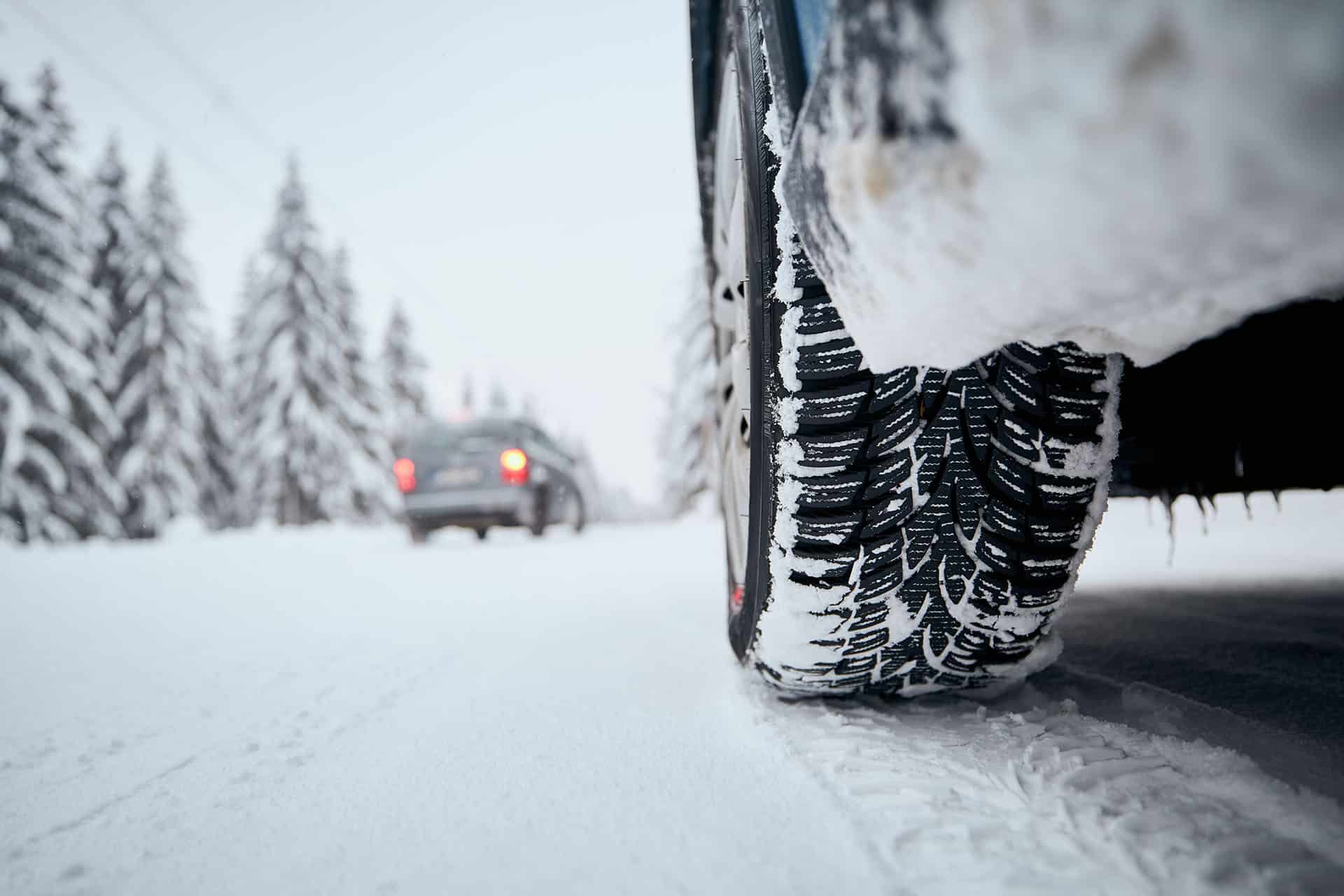
Canada’s seasons are not subtle.
From icy winter highways and spring flooding to summer wildfires and fall storms, the environment Canadian drivers face changes dramatically throughout the year.
While most people think about weather in terms of driving safety, fewer realize how much these seasonal patterns influence car insurance claims, premiums, and coverage needs.
Understanding how weather cycles affect insurance can help you make smarter decisions about your coverage and reduce the likelihood of costly claims.
Why Insurance Companies Pay Close Attention To Weather
Insurance is based on risk.
When certain types of claims increase during specific times of the year, insurers adjust their models, pricing, and sometimes even policy recommendations to reflect that risk.
In Canada, weather is one of the biggest contributors to claim frequency.
Seasonal spikes in collisions, damage, and total losses are not random – they follow predictable patterns tied to climate.
Winter – The Highest Collision Season
Winter is the most claim-heavy season for insurers across Canada.
What Happens in Winter
- Icy roads and black ice increase collision rates
- Snowbanks reduce visibility at intersections
- Salt and slush contribute to corrosion-related damage
- Cold temperatures cause battery failures and mechanical issues
- More vehicles slide off roads into ditches, barriers, and other cars
Even careful drivers are at greater risk simply due to road conditions.
Insurance Impact
- Higher frequency of collision claims
- Increased comprehensive claims from weather-related incidents
- Greater risk of total loss due to multi-vehicle accidents
- Increased use of roadside assistance and towing coverage
This is why winter tires, defensive driving, and proper vehicle maintenance can indirectly help your insurance profile by reducing claim likelihood.
Spring – Flooding And Pothole Damage
As snow melts, a new set of risks appears.
What Happens in Spring
- Flooded streets and underpasses damage engines and electronics
- Freeze-thaw cycles create potholes that damage suspension, tires, and rims
- Falling debris from storms damages parked vehicles
Many drivers underestimate how dangerous standing water can be.
Driving through deep water can result in a hydrolocked engine, often leading to a total loss.
Insurance Impact
- Increase in comprehensive claims for water damage
- Spike in claims related to suspension and tire damage from potholes
- More claims for falling tree branches and debris
Drivers often discover that certain types of damage may not be covered if they lack comprehensive coverage.
Summer – Hail, Heat, And Wildfires
Summer brings a different set of environmental threats.
What Happens in Summer
- Hailstorms can severely dent vehicles in minutes
- Extreme heat affects tire pressure and battery performance
- Wildfire smoke and ash can damage paint and air filters
- Increased road trips mean more kilometres driven and higher accident exposure
Hail damage, in particular, is one of the most expensive seasonal claim types for insurers.
Insurance Impact
- Surge in comprehensive hail damage claims
- Increased collision exposure due to the travel season
- Claims from falling branches during summer storms
Parking in covered areas and checking weather alerts can significantly reduce these risks.
Fall – Reduced Visibility And Animal Collisions
Autumn introduces visibility challenges and increased wildlife activity.
What Happens in Fall
- Earlier sunsets reduce visibility during commute hours
- Wet leaves make roads slippery
- Deer and moose become more active near roadways during mating season
Animal collisions are more common in the fall than many drivers realize and often cause significant front-end damage.
Insurance Impact
- Increase in comprehensive claims from animal strikes
- Rise in single-vehicle collisions due to slippery roads
Animal impacts are typically covered under comprehensive, which surprises some drivers.
How Seasonal Claims Affect Your Premiums
While a single weather-related claim may not drastically raise your premium, repeated seasonal claims can influence how insurers assess your risk.
For example:
- Multiple winter collisions may label you as a higher-risk driver
- Frequent comprehensive claims (hail, flooding, animal strikes) can potentially impact your claims history
- Living in high-risk weather zones may gradually increase regional rates
This is why prevention matters just as much as coverage.
Coverage Types That Matter Most By Season
Different coverages become more important at different times of the year.
| Season | Most Relevant Coverage |
| Winter | Collision, roadside assistance |
| Spring | Comprehensive (flooding, debris) |
| Summer | Comprehensive (hail, storms, wildfire debris) |
| Fall | Comprehensive (animal collisions), collision |
Understanding this can help you review your policy before each season begins.
Deductibles And Seasonal Risk
Some drivers choose higher deductibles to lower premiums.
However, if you live in an area prone to hail, flooding, or winter collisions, a high deductible may not be ideal.
Seasonal risk should influence how you set your deductible, especially for comprehensive coverage.
Simple Ways To Reduce Seasonal Claim Risk
Insurance companies encourage prevention because fewer claims benefit everyone.
Winter
- Install winter tires
- Keep a proper following distance
- Maintain battery and brakes
Spring
- Avoid driving through standing water
- Slow down on rough roads
- Watch for falling debris after storms
Summer
- Park under cover during hail alerts
- Monitor tire pressure in heat
- Avoid parking near trees in storms
Fall
- Be alert at dawn and dusk for wildlife
- Clear leaves from the windshield and vents
These habits can prevent claims that affect both your vehicle and your insurance record.
Weather Is Predictable – Claims Are Preventable
The key takeaway is that seasonal insurance claims are not random.
They follow patterns tied directly to Canadian weather cycles.
Drivers who understand these patterns can take steps to reduce their exposure and make sure their coverage matches the risks they face throughout the year.
Driving Smart Through Every Season
Canadian weather will always be challenging, but your approach to insurance and vehicle care does not have to be reactive.
By anticipating seasonal risks, reviewing your coverage, and adjusting your driving habits accordingly, you can avoid many of the most common claims drivers face each year.
A little preparation before each season begins can save you from major inconvenience, costly repairs, and insurance headaches later on – helping you stay protected no matter what Canadian roads throw your way.


